
English
Views: 0 Author: Site Editor Publish Time: 30-05-2025 Origin: Site

In today’s hospitality landscape, guests expect more than just a comfortable bed and clean linens—they seek a harmonious blend of functionality and aesthetics. A well-designed wardrobe is a pivotal component of hotel guestroom furniture, offering guests a dedicated space to organize their belongings, thereby enhancing the overall room experience. As travelers increasingly value minimalistic and clutter-free environments, the role of the wardrobe has evolved from a mere storage unit to a statement piece reflecting the hotel's commitment to guest comfort and design excellence.
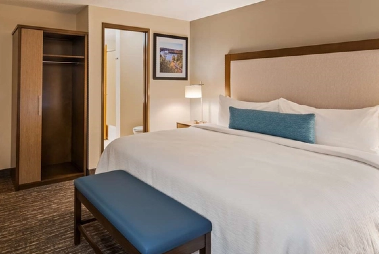
Modern hotel wardrobes are no longer simple storage units—they are essential components of hotel guestroom furniture, designed to offer functionality, comfort, and convenience. By integrating thoughtful features, these wardrobes support the lifestyle and expectations of today’s travelers.
One of the most fundamental features of any hotel wardrobe is its hanging space, which allows guests to keep their clothing wrinkle-free and well-organized. In a standard configuration, the wardrobe includes a sturdy hanging rail installed at approximately 1660mm (about 5 feet 6 inches) from the floor. This height is ideal for accommodating longer garments such as dresses, coats, and suits, ensuring they hang freely without bunching or folding.
Above the hanging rail, a full-width shelf is typically positioned at around 1650mm, offering additional storage space. This shelf is ideal for placing items like spare pillows, blankets, hats, or small luggage. Together, this arrangement ensures that guests have enough room to store both hanging and folded items, contributing to a clutter-free environment. For hoteliers, it’s a smart use of vertical space that enhances both practicality and tidiness.
To cater to the modern traveler’s expectations, many hotel wardrobes now incorporate multi-functional elements that add value without increasing room clutter. An integrated ironing board, for instance, is a popular addition. Neatly tucked away within the wardrobe unit, it allows guests to freshen up their clothing at any time—especially valuable for business travelers or guests attending events.
Similarly, the inclusion of a built-in safe has become standard in upscale hotel guestroom furniture. A compact yet secure compartment within the wardrobe allows guests to store valuables such as passports, laptops, and jewelry with peace of mind. Offering this security feature directly within the wardrobe maximizes convenience and aligns with guests’ expectations for safety and privacy.
These integrations demonstrate how wardrobes have evolved beyond simple storage. By combining functionality with thoughtful amenities, hotel wardrobes contribute significantly to the overall guest experience.
As part of a cohesive approach to hotel guestroom furniture, these wardrobe features not only enhance convenience but also support the modern guest’s desire for efficiency, order, and comfort—all while maintaining a sleek, unified room design.
The material selection and finishing options in hotel wardrobes are critical elements that influence the quality, durability, and visual appeal of the entire hotel guestroom furniture ensemble. Given that hotel furniture endures frequent use by a wide variety of guests, the choice of robust, long-lasting materials is non-negotiable.
Solid wood, engineered wood, and laminated particleboard are among the most common materials used in hotel wardrobe construction. Solid wood offers a premium look and strong durability, making it ideal for upscale properties. Laminated particleboard, while more cost-effective, provides adequate resistance to wear and tear and is easy to maintain—making it a popular option in mid-range and economy hotels.
Finishes also play a vital role in both protecting the surface and contributing to the room’s design identity. Matte or glossy laminates, wood veneers, and textured finishes can be chosen to reflect the brand's interior theme—whether it’s contemporary minimalism, rustic charm, or classic luxury. The ability to match or complement the wardrobe finish with other hotel guestroom furniture items like desks, bedside tables, and headboards enhances the room’s cohesiveness.
Additionally, incorporating eco-friendly materials—such as sustainably harvested wood, bamboo, or recycled composites—can significantly boost a hotel’s appeal to environmentally conscious travelers. These materials not only reduce the environmental footprint but also serve as a marketing advantage in promoting sustainable hospitality.
Ease of use is another vital aspect when evaluating wardrobe functionality. Guests of all ages and physical capabilities should be able to interact with the wardrobe comfortably and intuitively.
To enhance convenience, many modern wardrobes in hotel guestroom furniture collections include soft-close mechanisms on drawers and doors. This feature prevents slamming, minimizes noise pollution in shared or adjoining rooms, and reduces wear on hardware over time. It’s a subtle touch that significantly elevates the perceived quality of the furniture.
Lighting is also a critical consideration. Integrated LED lights, activated when the wardrobe doors are opened, provide superior visibility—especially useful in rooms with limited natural light or during nighttime use. These lights help guests locate clothing or accessories quickly, improving user satisfaction.
Moreover, full-length mirrors on the wardrobe’s exterior or interior doors serve dual functions. Not only do they aid in dressing and grooming, but they also visually expand the room’s space and eliminate the need for standalone mirrors. These multi-functional elements are a hallmark of intelligent hotel guestroom furniture design.
Hotels must often balance flexibility with permanence, especially when planning long-term design strategies or anticipating future renovations. This is where the distinction between modular and built-in wardrobes becomes significant.
Modular wardrobes are designed for adaptability. They can be assembled, disassembled, and repositioned with relative ease, which is particularly useful during property renovations, rebranding, or updates to interior layouts. Modular systems also allow hotels to standardize components across different room types while still offering variation in configuration.
In contrast, built-in wardrobes are custom-fitted into the architecture of the guestroom. These designs provide a sleek, seamless appearance that maximizes space and enhances aesthetic integration with walls and ceilings. Built-ins are especially popular in higher-end properties where a tailored, luxurious look is essential. However, they may involve higher initial costs and more complex installation.
Both options have their advantages, and the choice should align with the hotel’s overall brand identity, maintenance expectations, and future design plans. In either case, selecting high-quality, well-crafted wardrobe units as part of a hotel’s guestroom furniture strategy ensures long-term value.
The functionality and scale of wardrobe design should reflect the diversity in hotel room types. From compact standard rooms to spacious luxury suites, the wardrobe must be appropriately scaled and configured.
In standard rooms, where space is at a premium, design choices like sliding doors, open wardrobe concepts, or corner units can prevent the furniture from overpowering the room. Open-style wardrobes can make the room feel more expansive and are suitable for shorter stays where heavy unpacking is unnecessary.
On the other hand, suites and executive rooms can afford to include more elaborate wardrobe systems. These might feature walk-in closets, multiple compartments for shoes and accessories, pull-out luggage racks, or even vanity stations integrated into the wardrobe structure. Such enhancements add a touch of luxury and cater to guests who require extended storage for longer stays or special occasions.
Customizing wardrobe features based on room category ensures that every guest receives a consistent standard of comfort and convenience, regardless of the room size. It also supports operational efficiency by aligning design with anticipated guest behaviors and needs.
Conclusion
Incorporating a well-designed wardrobe into hotel guestroom furniture goes beyond aesthetics—it reflects a hotel’s true commitment to guest comfort and satisfaction. By emphasizing smart functionality, durable materials, and visual cohesion, hotels can offer guests a seamless and clutter-free experience that enhances their overall stay.
If you’re looking to upgrade your hotel rooms with modern, functional, and stylish wardrobe solutions, Fuzhou Hyman Hospitality Co., Ltd is a trusted partner in the hospitality industry. With expertise in customized hotel guestroom furniture, including wardrobes, nightstands, desks, and more, Hyman Hospitality delivers tailored solutions that balance quality, design, and practicality.
Discover how Fuzhou Hyman can elevate your guestroom offerings—visit their website or contact their team today for more information and professional support.


