English
Views: 0 Author: Site Editor Publish Time: 06-04-2026 Origin: Site

FF&E hospitality is very important for how hotels work in 2026. Good ff&e planning helps hotels make more money and keep guests happy. Hotels that buy good solutions do not need as many repairs. Their things last longer.
A study from Cornell University says “psychological ownership” makes people like a hotel brand more. This means when guests feel a room is “theirs,” they want to come back. Good ff&e, like lights you can change or chairs you can move, lets guests make the room fit them. This makes guests happier.
The ISHC CapEx 2023 report says full-service hotels need to spend more money on their things. This means hotels need their things to last longer so the cost is worth it.
HYMAN Hospitality is a trusted partner. They give solutions that help hotels work better and make guests’ stays nicer. HYMAN Hospitality’s solutions use smart engineering and easy buying steps. Using strong commercial-grade materials in ff&e hospitality helps hotels save money.
Picking strong commercial-grade materials means hotels fix and replace things less often. This helps hotels save money.
HYMAN Hospitality’s solutions change hotel spaces for the better. They mix good quality with brand rules so hotels can do well for a long time.
FF&E means Furniture, Fixtures, and Equipment. These are important for making hotels comfortable and nice to look at. Buying good FF&E saves money on repairs. It also makes guests happy and want to come back. Hotels need to change their FF&E often. This helps them stay trendy and meet what guests want. Working with good suppliers helps hotels get things on time. It also helps make sure everything is good quality. This is very important for hotel projects to work well. Using green materials in FF&E helps the planet. It also brings in guests who care about the earth. Fast buying plans help hotels handle market changes. This keeps the hotel running well. Good planning and smart spending stop surprise costs. They also help projects finish as planned. Taking care of FF&E and keeping track of it makes it last longer. This also helps the hotel do better.
In hotels, FF&E means Furniture, Fixtures, and Equipment. These are things you can move and are not built into the hotel. Some examples are beds, sofas, desks, lights, and technology systems. FF&E helps each hotel look and feel special. Picking the right FF&E makes the hotel work well and look nice. Hotel owners and workers use these things to make guests feel welcome and comfortable. FF&E also helps hotels follow brand rules and give guests the same good experience at every hotel.
FF&E is very important for every hotel guest. Good furniture and fixtures make a guest’s stay better. When guests walk in, they see and feel the furniture. Nice FF&E helps hotels be different from other hotels. It also helps workers do their jobs with strong and useful equipment. Hotels that buy good FF&E do not need to fix or replace things as much. This saves money over time and helps hotels earn more. FF&E also shows what the hotel brand cares about. It helps hotels keep their promise of comfort, style, and trust.
Tip: Hotels that change their FF&E often can match what guests want and keep up with new trends.
FF&E and OS&E are both important in hotels but are not the same. FF&E means things like sofas, beds, desks, wall coverings, and kitchen appliances. These last a long time and help make the hotel’s style. OS&E means things used every day, like bed sheets, towels, forks, and soap. These things get used up fast and need to be replaced often.
The table below shows the main differences:
Category | FF&E | OS&E |
|---|---|---|
Definition | Movable furniture, fixtures, and equipment needed for how the hotel works and looks. | Things used every day that do not last long. |
Examples | Sofas, beds, tables, lighting, IT systems | Bed linens, towels, cutlery, toiletries |
Lifespan | Used for many years (5 or more) | Used for a short time, replaced often |
Hotel managers need to know about both FF&E and OS&E. This helps them plan money and keep the hotel running well. FF&E costs a lot but makes guests happy and helps the hotel brand. OS&E makes sure guests have what they need every day and enjoy their stay.
Image Source: pexels
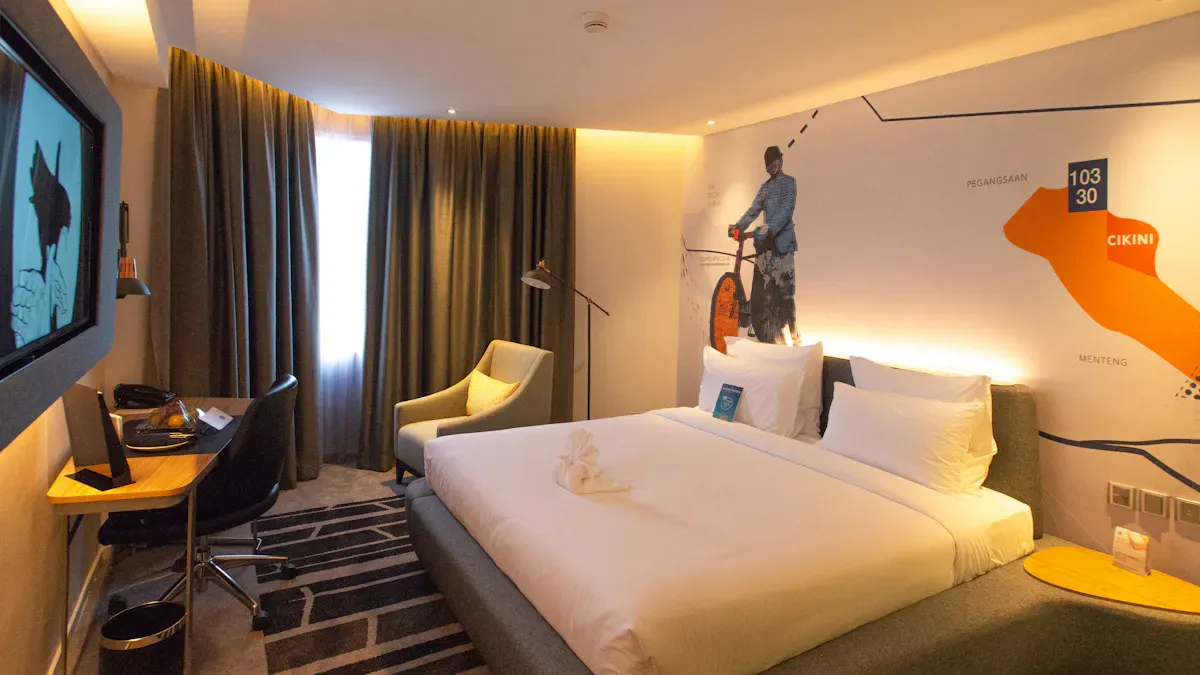
Guest rooms are important for every guest’s stay. Hotel furniture in these rooms must be comfy, strong, and look nice. Platform beds with storage help save space and keep rooms neat. Desks that can be used as vanities give guests more choices. Task and ambient lighting let guests change the brightness and mood. Blackout window treatments help guests sleep well. Mirrors make rooms look bigger and brighter. These guest room furniture solutions make guests feel welcome and follow brand rules.
Key Component | Influence on Guest Comfort and Aesthetics |
|---|---|
Comfort-enhancing furniture designs | Help guests relax and feel happy. |
Make things last longer and cost less to replace. | |
Aesthetic elements | Match the hotel’s brand and make rooms look good. |
Picking the right hotel furniture in guest rooms affects comfort and style. Good ff&e helps guests feel at home and want to come back.
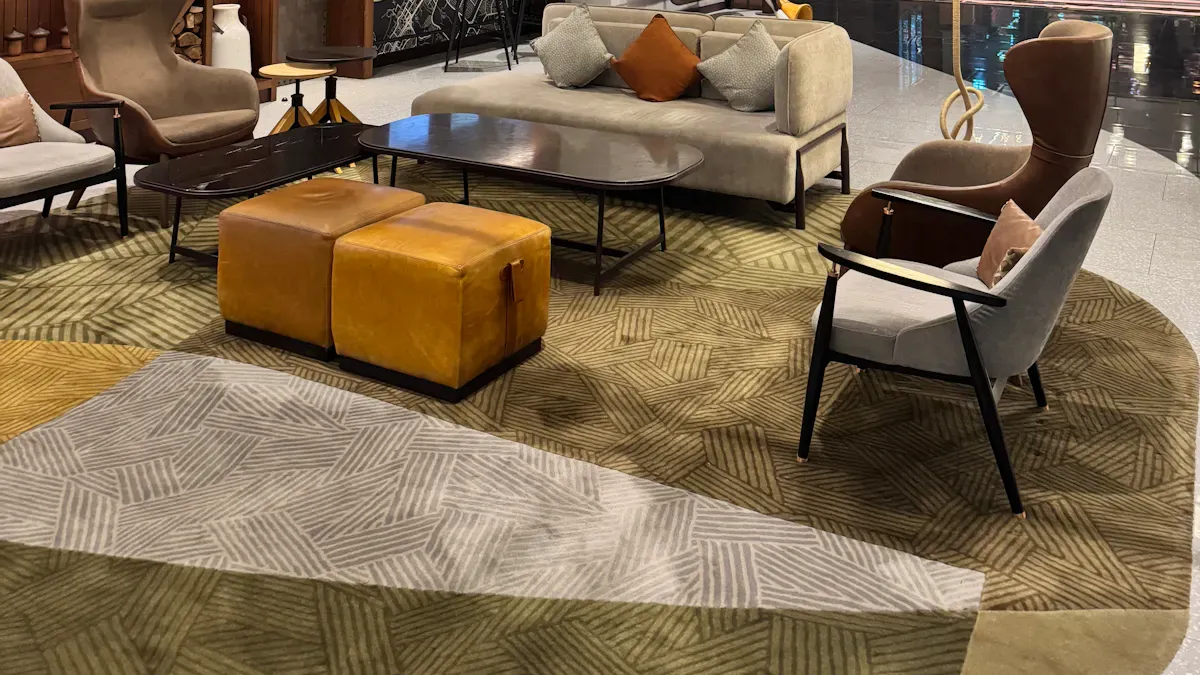
Public spaces like lobbies and lounges need furniture for many uses. Reception counters greet guests and show what the hotel is like. Different seating, like sofas and lounge chairs, help guests relax and talk. Multi-level lighting and decorations add warmth and style. In dining areas, strong tables and stackable chairs make cleaning and moving easy. Meeting rooms use banquet seating, flexible tables, and technology. These furniture, fixtures, and equipment choices help hotels make a great first impression.
Lighting is very important in hotel design. Fancy lights, like chandeliers and wall sconces, make public spaces look nice. In guest bathrooms, good fixtures give both style and use. Modern hotels use energy-saving lights to help the planet. Good bathroom fixtures, like rain showers and touchless faucets, make guests comfortable and save water.
Furniture, fixtures, and equipment in guest rooms include TVs, safes, and minibars. These things make guests feel safe and comfortable. Back-of-house areas need hotel furniture like carts, storage for linens, and seats for staff. Workbenches help staff fix things and keep the hotel running. Outdoor spaces have chaise lounges, side tables, and shade for guests to relax.
Note: Picking the right furniture, fixtures, and equipment changes how guests feel and supports the hotel’s brand. Hotels that buy strong, nice, and useful pieces get happier guests and better money results.
Image Source: pexels
FF&E is important for making guests happy in hotels. When guests enter a lobby or room, they see the furniture and style. Soft chairs and bright lights help guests feel calm and welcome. Hotels use custom FF&E to make spaces special and inviting. Comfortable rooms make guests want to come back and leave good reviews.
Hotels that pick FF&E carefully get better satisfaction scores. Simple things like adjustable lights or comfy chairs help guests enjoy their stay.
FF&E shows what a hotel’s brand is about. Each piece of furniture or equipment can show the hotel’s style. When hotels use the same look and quality everywhere, guests know what to expect. This helps guests trust the hotel and come back again. The table below explains how FF&E supports brand identity:
Aspect | Explanation |
|---|---|
Reflecting Brand Values | FF&E choices should match the hotel’s brand values and make the brand experience better. |
Creating Memorable Experiences | FF&E comfort and looks help guests remember their stay and connect it to the brand. |
Consistency Across Properties | Using the same FF&E everywhere gives guests a steady experience and builds brand identity. |
Differentiation Through Unique FF&E | Special FF&E helps a hotel stand out and makes the brand easy to recognize. |
Hotels that use unique and steady FF&E are noticed more in the market. They make spaces guests remember and want to visit again.
FF&E helps hotels work better and save money. Good furniture and equipment last longer and break less often. This means hotels spend less on fixing things and staff can do their jobs well. Hotels with maintenance plans for FF&E get big benefits. The table below shows how FF&E helps efficiency and return on investment:
Metric | Value |
|---|---|
Return on investment (preventive vs. reactive maintenance) | 3–4× Return for every dollar spent |
Average reduction in maintenance costs | 22% after using CMMS |
Improvement in guest satisfaction scores | 18% at hotels with good PM plans |
Extension in average asset lifecycle | 35% longer with careful maintenance |
Average deferred capital maintenance cost | $4.2M for a 200-room hotel without a set budget |
Hotels that plan and care for their FF&E work better and spend less. Staff can help guests instead of fixing things. This makes guests happier and helps hotels earn more money. Smart FF&E choices help hotels give comfort and succeed for a long time.
The first step in ff&e procurement is planning and budgeting. This step helps hotels start their projects the right way. Teams make a list of all furniture, fixtures, and equipment needed for each area. They check how many items they need and look at prices early. This helps them stay on budget and avoid surprise costs.
A good plan helps everyone work together better. Teams set clear goals and decide when each step should be done. They also make sure there are enough people and money for each part. During buying, teams keep track of everything and share updates. This helps protect the hotel’s money and good name.
Benefit | Description |
|---|---|
Budget Protection | Checking numbers and prices early stops surprise spending. |
Timeline Stability | Watching shipping and talking to vendors stops big delays. |
Stakeholder Confidence | Sharing reports and notes keeps trust with owners and teams. |
Watching shipping and talking to vendors helps stop delays. Sharing reports and notes keeps trust with owners and teams. These steps help hotels open on time.
Tip: Planning early in ff&e buying helps hotels avoid mistakes and makes buying easier.
Design and specification are important steps in ff&e buying. Teams work with architects and designers to pick the right items and materials. They use simple words so everyone understands. They also use pictures and drawings to help explain choices.
Teams check every size and instruction to make sure they are right. They update their lists when things change. They keep contact info for makers and designers in case they have questions.
Before making things, teams look at samples and boards. This makes sure everything matches the hotel’s style and what guests want. Every small thing matters, like the color of a chair or the finish on a table.
Note: Getting design and details right in ff&e buying helps stop mistakes and makes buying faster.
Finding and picking vendors is a key part of ff&e buying. Hotels need partners who match their brand and goals. The ff&e team checks vendors for many things:
Brand alignment: ff&e should match the hotel’s brand.
Guest comfort: Furniture should be easy and nice to use.
Durability: Items must last a long time in hotels.
Safety: Products must follow rules and be safe for all.
Aesthetic appeal: The hotel should look nice and fit together.
Functionality: Furniture and equipment must work well for guests and staff.
Sustainability: Using green materials helps the planet.
Technology integration: Smart furniture makes stays better.
Budget considerations: Quality and price must be balanced.
The ff&e buying process uses vendors from around the world. Teams pick strong materials and custom furniture from trusted partners. HYMAN Hospitality gives hotels a full furniture solution, from design to delivery. Their way makes sure hotels get strong, stylish, and brand-matching items on time.
Callout: Picking the right vendors in ff&e buying helps hotels work better and make guests happy.
The main steps in ff&e buying—planning, design, and picking vendors—need teams to be flexible. Hotels that follow these steps build strong projects and get good results for a long time.
Logistics and installation are very important for ff&e buying in hotels. These steps make sure all furniture, fixtures, and equipment get to the hotel on time and in good shape. A good plan helps hotels stop mistakes and delays that cost money. The team needs to plan shipments, check deliveries, and help the workers who set things up. Every detail is important, like when trucks come and where each chair goes.
Hotels often have problems with logistics and installation. These problems can slow down the project and cost more money. The table below lists the most common problems and how to fix them:
Challenge | Description | Solution |
|---|---|---|
Budget Overruns | Unexpected costs can derail financial plans. | Create a detailed budget with contingencies and track expenses regularly. |
Delayed Deliveries | Disruptions in project timelines due to late arrivals of furniture/equipment. | Work with reliable suppliers and develop a detailed delivery schedule. |
Quality Control | Ensuring items meet quality standards can be challenging. | Hire experienced teams and conduct regular quality inspections. |
Coordination and Communication | Lack of effective communication among stakeholders can hinder progress. | Establish clear communication channels and hold regular meetings. |
Compliance and Regulations | Failing to meet local codes can lead to delays. | Research local codes and work with knowledgeable professionals. |
Design Changes | Last-minute revisions can disrupt projects. | Define design specifications clearly and document any changes. |
Procurement Challenges | Sourcing the right items on time can be difficult. | Partner with reputable suppliers and maintain relationships with multiple sources. |
Sustainability Concerns | Ensuring eco-friendliness of items is increasingly important. | Prioritize sustainable options and look for environmental certifications. |
Maintenance Considerations | Overlooking long-term maintenance can increase costs. | Develop a maintenance plan considering warranties and expected wear. |
Guest Satisfaction | Meeting guest expectations is crucial for success. | Select items that enhance guest experience and conduct thorough inspections. |
A good ff&e plan for a hotel has clear schedules and good communication. Teams need to check every delivery and look at items before they are put in place. They should work with trusted partners who know about hotels. HYMAN Hospitality gives hotels one place to buy ff&e and get project help. Their team takes care of everything, from shipping to setting up, so the hotel project goes well.
Tip: Hotels that use clear delivery plans and talk often with vendors have fewer delays and money problems.
Handover and quality control is the last step in ff&e buying for hotels. This step makes sure every piece of furniture, fixture, and equipment is perfect before guests come. Teams must look at each item for damage and check if it matches the plan.
Hotels follow a careful process to check quality:
Mass production starts only after all approvals, which keeps the project on track.
Factories send progress reports at 30%, 60%, and 90% completion. These reports include photos to reassure the client.
Quality control inspectors, either independent or in-house, check that all specifications are met. They look at finishes, dimensions, and overall quality.
ISO-certified factories provide quality control documents and third-party inspection reports. This ensures consistency across all rooms.
Teams inspect items for damage before installation begins.
HYMAN Hospitality uses these steps in every ff&e project. Their team works with hotel owners and managers to make handover easy. They give clear papers and help at every step. This way, hotels open on time and guests have a great stay.
Note: Careful quality checks during handover protect the hotel’s money and help guests trust the hotel.
A hotel needs to keep track of its ff&e assets. Teams use tracking systems that show where things are right now. These systems help teams see if anything is missing before it causes problems. Digital check-ins and barcodes make counting items easier and more correct.
Aspect | Description |
|---|---|
Pre-Project Planning | Teams talk with designers and managers to know what is needed and start tracking early. |
Receiving & Inspection | Workers check every shipment to make sure nothing is broken and fix problems quickly. |
Real-Time Asset Management | Tracking systems let teams see where things are all the time, from the warehouse to the hotel. |
A good inventory plan helps teams keep track of details and manage ff&e better. This makes the project clearer and helps everyone know their job. It also stops waste and helps the hotel not spend too much money.
Tip: Checking ff&e often helps it last longer and stops big repairs.
Hotels need to plan when to replace or upgrade ff&e. Things like chairs, beds, and lights get used a lot and need to be checked often. Teams make schedules for fixing and changing these items. This keeps the hotel looking nice and makes guests comfortable.
The best ways to manage assets are:
Plan and save money for things you will need later.
Make sure designs and details are right before buying.
Pick good vendors to buy from.
Watch over how things are put in and set up.
Make a schedule to check and fix things.
Plan when to replace or fix up old items.
Hotels that buy strong, good furniture save money in the long run. Customizing lets each hotel look special and still stay on budget. Working with trusted companies gives hotels good deals and quality.
When hotels get new ff&e, they must get rid of old things the right way. Safe disposal helps the earth and helps people nearby. Some good ways are:
Recycling old furniture and fixtures.
Composting things made from plants or other natural stuff.
Giving good items to charities or groups that need them.
Using waste-to-energy to make less trash go to landfills.
Hotels that do these things help the planet. Teams can also show the hotel cares by picking green ways to throw things out. These choices show guests and partners that the hotel wants to protect the earth.
Note: Throwing out ff&e the right way helps the earth and makes the hotel look good.
Hotels often have trouble with budgets during ff&e projects. Teams try hard to spend only what they planned. Expensive furniture and imported fixtures can make costs go up. Early planning helps teams stop these problems before they start. Getting discounts for buying a lot and looking for local suppliers can save money.
Challenge | Description | Solution |
|---|---|---|
Budget Overruns | Expensive furniture and imported fixtures can cost too much. | Plan early, get bulk discounts, and use local suppliers to save money. |
Supply Chain and Shipping Delays | Problems in the supply chain can slow deliveries. | Order early, pick reliable suppliers, and have backup vendors ready. |
Compliance & Safety Regulations | Hotels must follow fire safety and environmental rules. | Make sure items have certifications like LEED, SASO, and Civil Defense approval. |
Quality Control Issues | Some things arrive broken or do not match what was ordered. | Inspect items on-site and have clear agreements for replacements if needed. |
Teams that watch their spending protect the hotel’s money. Careful planning and good relationships with vendors help hotels avoid expensive mistakes in ff&e buying.
Delivery and installation delays are big problems for hotel projects. These delays can stop construction and cost the hotel money. If things arrive too early, hotels pay more for storage. Items can get damaged if stored wrong. Damage during shipping or bad installation makes fixing take longer and can delay the hotel opening.
Delivery delays can stop construction and cost the hotel money.
Early deliveries mean paying more for storage and risk damage.
Damage during shipping or bad installation makes fixing take longer and delays opening.
Project managers need to work closely with suppliers and logistics teams. Good partners and clear schedules help hotels avoid ff&e delays and finish projects on time.
Quality and compliance issues affect every hotel’s ff&e buying. Bad or missing details can lead to items that do not match brand rules. Rushing or using simple templates can cause big mistakes.
Not meeting brand rules or accessibility needs can mean costly fixes and failed checks.
Not following safety and accessibility rules can cause delays and fines.
Bad or broken items can make guests unhappy and hurt the hotel’s reputation.
Checking all ff&e items for quality is important for guest happiness.
Following all rules helps hotels avoid delays and fines.
Teams must check each item for quality and compliance before putting it in place. Hotels that follow strict rules and inspect everything protect their reputation and make guests happy.
Working together helps every hotel ff&e project succeed. Teams need to include owners, designers, and installers early. Talking openly stops mistakes and keeps everyone updated. HYMAN Hospitality likes to partner and starts with clients from the beginning. They use clear approval steps to make sure everyone is responsible and fewer errors happen. A set schedule helps ff&e arrive and get installed on time. This way, projects have fewer interruptions and stay on track.
Best Practice | Description |
|---|---|
Vendor Vetting | Teams pick good vendors to handle buying. |
Technology Use | Technology helps manage suppliers and saves money. |
Approval Workflow | Clear decisions help stop mistakes and keep people responsible. |
Teams should talk often with ff&e installers. Updates help stop problems from getting worse. Getting everyone involved early brings better results and fewer surprises.
Project management tools help teams organize ff&e tasks in hotels. HYMAN Hospitality uses digital tools to check progress and share updates. These tools let teams see schedules, budgets, and deliveries right away. Using technology makes work faster and saves money. Teams can spot delays early and fix them before they hurt the project. Dashboards and checklists help everyone know their job.
Tip: Teams using project management tools finish ff&e projects faster and make fewer mistakes.
Integrated systems help teams plan deliveries and installations. Clear approval steps keep decisions simple and stop errors. Teams can change schedules quickly and tell everyone about updates.
Strong supplier partnerships help hotel ff&e projects run well. HYMAN Hospitality builds relationships based on trust and good engineering. They focus on quality and consistency, not just price. Working together makes supplies arrive on time. Flexible buying steps help teams handle changes.
Benefit | Description |
|---|---|
Risk Mitigation | Partnerships lower risks in buying and installing. |
Streamlined Timelines | Working together helps things arrive and finish on time. |
Operational Excellence | Partnerships make hotel interiors better and more useful. |
Teams should check vendors carefully and pick partners that fit the hotel brand. Working together often brings better results and fewer delays. HYMAN Hospitality’s partnership approach makes sure every ff&e item matches brand rules and guest needs.
Note: Teams with strong supplier partnerships get better quality and finish hospitality projects faster.
Sustainability is shaping how hotel rooms look in 2026. Hotels are picking eco-friendly materials for their furniture. They use things like reclaimed wood and recycled metals. These choices help the planet and make each hotel look special. Many hotels buy from local artisans. This means less shipping and helps people in the community.
Here are the top sustainability trends in ff&e hospitality for 2026:
Using energy that comes from renewable sources
Building and designing hotels with the environment in mind
Saving water and using it wisely
Cutting down on waste and reusing things
Making food and drinks in a way that helps the earth
Cleaning and doing laundry in eco-friendly ways
Picking green furniture and decorations for hotels
Helping the community and being a responsible tourist
Getting green certifications and sharing progress
Using technology to make hotels more eco-friendly
Sustainable hotel ff&e lasts longer and needs less fixing. Hotels want green certifications to show they care about the earth. These actions help hotels get guests who want to help the planet.
Note: Picking sustainable hotel ff&e saves money, helps the earth, and makes the hotel look good.
New trends in hotel ff&e include smart and connected furniture. Hotels use technology to make guests more comfortable and work better. Smart lights change how bright they are during the day. Connected thermostats save energy and keep rooms nice. Some furniture has charging ports and wireless controls built in.
These new ideas let guests change things in their room. Staff can check equipment and fix problems before guests notice. Smart ff&e also helps hotels use less energy and make less waste. Hotels that use these smart solutions do better than others.
Micro-refurbishment is changing how hotels handle ff&e. Instead of buying all new furniture, hotels fix and update what they have. This can save hotels a lot of money—sometimes more than half. Hotels can use the extra money to make things better for guests.
Fixing old furniture is good for the earth. It means less trash and less need to make new things. Guests want hotels to be modern and comfy. Hotels often use the money they save to add new technology for guests.
Tip: Micro-refurbishment helps hotels stay up-to-date, save money, and be more eco-friendly.
Hotels in 2026 have new problems from weather and what guests want. Many hotels buy weather-resistant ff&e to keep their things safe and guests happy. Outdoor furniture must stand up to rain, sun, and wind. It should not lose its shape or color. Materials like powder-coated metals, UV-treated fabrics, and composite woods help furniture last longer outside. These choices mean hotels fix and replace things less often.
Boutique solutions change how hotels look and feel. Guests want rooms that are special and different. Hotels use custom ff&e to make spaces unique. Designers pick special pieces, bright colors, and local art to make each hotel stand out. Custom lights, cool chairs, and big headboards turn plain rooms into fun places. Boutique hotels often work with local artists to add style and help the community.
A table below shows how weather-resistant and boutique ff&e help hotels:
Feature | Benefit for Hotels |
|---|---|
Weather-resistant materials | Longer lifespan, less maintenance |
Custom boutique designs | Unique guest experience, brand identity |
Local artisan partnerships | Community support, authentic atmosphere |
Hotels that use strong outdoor furniture and cool boutique designs get more guests. They protect their things and stay ahead in a fast-changing market.
Agility in ff&e buying is very important for hotels in 2026. The market changes fast, so hotels must react quickly to new trends and problems. Flexible buying plans help hotels avoid delays and finish projects on time.
Procurement teams use different ways to stay flexible:
They check the market often to find new suppliers and partners. This helps hotels change plans fast when needed.
Smart buying looks at price, delivery time, risk, and flexibility. Hotels can switch to new options if needed.
Real-time checks let teams spot problems early. Quick fixes stop small delays from getting bigger.
Owners, designers, and suppliers work together to solve problems. Teams share ideas to find answers in a changing market.
Hotels that use agile ff&e buying open on time and make guests happy. They can change suppliers or materials if needed. This keeps projects moving and helps hotels save money and lower risks.
Tip: Hotels that build good relationships with suppliers and watch the market can handle surprises better and give guests a great stay.
Agile ff&e buying helps hotels do well in a world that changes all the time. Teams that plan ahead and stay flexible lead the way in 2026.
Smart ff&e choices help hotels do well. Teams that plan early have fewer problems and open faster. Working with experts like HYMAN Hospitality gives hotels good ff&e and help they can trust. Using new ff&e trends gets hotels ready for what’s next. To get the best results, hotel workers should:
Check ff&e plans before opening each hotel.
Use trusted suppliers for every project.
Watch progress to make sure hotels open on time and guests are happy.
Planning ahead helps hotels open smoothly and keeps ff&e working for a long time.
FF&E means furniture, fixtures, and equipment. These are things you can move and are not part of the building. They help make hotel rooms and spaces nice for guests.
Hotels usually check and change FF&E every five to seven years. This keeps rooms looking new and helps hotels follow their brand rules.
Quality control checks if everything is safe and matches the hotel’s brand. It stops big mistakes and helps keep guests happy and safe.
Hotels make a clear budget and watch what they spend. They work with good suppliers and plan early to stop spending too much.
Custom FF&E fits the hotel’s own style and needs. It makes guests more comfortable and helps the hotel show its brand. Custom pieces can also last longer than regular ones.
Good FF&E makes hotel spaces look and feel nice. Guests like rooms that are comfy and stylish. When guests enjoy their stay, they want to come back.
Hotels should try to recycle, donate, or reuse old items. Doing this helps the earth and shows the hotel cares about the community.
Tip: Planning early and working with experts helps hotels avoid FF&E problems.