
English
Views: 0 Author: Site Editor Publish Time: 30-05-2025 Origin: Site

In an era where travelers demand both comfort and efficiency, hotel designers face the dual challenge of creating inviting atmospheres while optimizing limited square footage. As urban real estate costs soar and guest expectations rise, every inch of a hotel room must serve a purpose. One of the most critical yet often overlooked elements in this equation is the guestroom closet. Far from being simply a place to hang clothes, the closet—or its modern evolution—can become a central feature of hotel guestroom furniture, marrying functionality with aesthetic appeal.
By rethinking closet design, hoteliers can address multiple pain points: cluttered luggage, wrinkled clothing, and inefficient use of space. Thoughtful integration of storage modules—from adjustable hang rods to hidden drawers—ensures that each guest can unpack fully and enjoy a home-away-from-home feel. Moreover, the right balance of open and closed elements can influence room perception, making compact spaces feel airier or cozier, depending on the desired ambiance. Today’s storage solutions pivot on adaptability, durability, and style, blending with the broader selection of hotel guestroom furniture to deliver a seamless visual experience.
Before delving into specific storage innovations, it’s essential to clarify the distinction between a closet and a wardrobe in hospitality contexts:
Closet: Traditionally built into the room’s structure, closets are recessed alcoves or compartments framed by walls. They may feature sliding or hinged doors, integrated lighting, and custom-fit interiors. As permanent installations, closets can be tailored precisely to room dimensions and often conceal utility components such as HVAC vents or electrical conduits.
Wardrobe: Portable and standalone, wardrobes mimic residential furniture pieces. They can be relocated or swapped out between guest stays, making them a flexible option for hotels undergoing rebranding or periodic refurbishments. While wardrobes save on construction costs, they tend to occupy more floor space and may limit design flexibility if not thoughtfully chosen.
Hotel guestroom furniture strategies often blend both concepts. For example, a slim built-in niche might house a movable wardrobe unit, giving designers the freedom to create varied room templates within a single property. Understanding these differences allows hoteliers to align storage approaches with operational needs—permanent closets for long-term consistency, and wardrobes for rapid concept updates or modular room arrangements.
The choice between open and closed closet systems plays a pivotal role in shaping guest perceptions and room functionality.
Visual Airiness: Without doors, open closets create an illusion of depth and space, preventing a bulky furniture piece from dominating the room. Clothes on display add texture and color, contributing to the overall decor.
Ease of Access: Guests can instantly see and reach their belongings, making unpacking and dressing more convenient. Housekeeping staff also benefit from quicker inspections and restocking.
Design Continuity: Open shelving and hanging rails integrate smoothly with surrounding hotel guestroom furniture, allowing designers to extend materials—wood finishes, metal accents, or colored back panels—across adjacent walls or headboards.
Considerations: Open systems may expose clutter if guests overpack or leave clothing untidy. Hotels often mitigate this by providing ample drawer space, decorative storage baskets, or valet stands nearby.
Clean Lines: Doors—whether sliding, bi-fold, or hinged—conceal contents, preserving a minimalist aesthetic. This is particularly effective in luxury segments where understated elegance reigns.
Security and Privacy: Locked compartments or hidden safe boxes within the closet reassure guests that valuables remain secure. Opaque doors also protect clothing from dust and light exposure.
Acoustic Buffering: Solid closet doors can dampen noise from housekeeping carts or hallway activity, contributing to a quieter stay.
Considerations: Closed closets can feel heavy in compact rooms. To counterbalance, designers may incorporate mirrored doors to reflect light or recessed handles and push-to-open mechanisms to maintain sleekness.
Modern storage solutions go beyond hanging rods and struts—they integrate specialized modules that cater directly to guest habits and belongings.
Retractable Luggage Racks
Wall-mounted racks that fold away when not needed save floor space and reduce trip hazards. Models with soft-close mechanisms and non-slip straps accommodate bags of various shapes.
Dedicated Shoe Shelves and Cubbies
Tiered shelving units or pull-out trays keep footwear organized and off the floor. In wellness-oriented hotels, antimicrobial materials prevent odors and germs, aligning with hygiene protocols.
Modular Storage Boxes and Baskets
Woven baskets, fabric bins, or hard-shell boxes slide into cubbyholes or under benches. Guests appreciate the tactile quality of natural materials like seagrass or bamboo, which also reinforce eco-friendly branding.
Integrated Valet Rods
Pop-out hooks or extendable rods allow guests to steam or air out suits, dresses, and jackets. Illuminated and chrome-plated options blend practicality with upscale styling.
Technology Hubs
USB and power outlets built into closet interiors enable discreet charging of devices. LED strips with motion sensors activate upon opening, guiding guests in low-light conditions without disturbing sleep atmospheres.
By weaving these smart elements into hotel guestroom furniture, properties can cater to modern travelers who demand both functionality and flair. Moreover, flexible configurations ensure that closets serve a diverse clientele—from business executives with suits to vacationing families with strollers and sports gear.
Not all hotels share the same guest profile or operational model. Storage solutions must adapt to boutique inns, extended-stay properties, resort retreats, and business-focused urban hotels. Here’s how layouts can vary:
Statement Pieces: Bold colors, patterned wallpaper backdrops, and asymmetrical shelving communicate brand personality. Open-and-closed hybrid units—such as a partially curtained wardrobe—invite exploration.
Feature Niches: Display areas for local artisanal products or branded robes turn the closet into a mini showroom, reinforcing destination storytelling.
Expanded Capacity: Larger wardrobes with multiple hanging zones, deep drawers, and slide-out valets accommodate long-term guests. A built-in ironing station or fold-out desk can double the storage area’s utility.
Personalization Options: Guests staying for weeks may appreciate adjustable shelving and removable rods, enabling them to tailor the space to their specific contents.
Wet-Area Integration: Waterproof cubbies for swimwear and towels, along with towel warmers, accelerate drying times and enhance post-pool comfort.
Open-Air Concepts: In tropical climates, ventilated shelving and mesh baskets reduce mildew risk, while tempered glass panels protect against humidity.
Rapid Turnover Efficiency: Plug-and-play wardrobe modules can be swapped quickly during room resets, minimizing downtime. Standardized shelf sizes ensure linen carts carry uniform loads.
Security Emphasis: Concealed safe compartments and RFID-lock L-shaped cabinets keep laptops and documents secure without sacrificing speed of access for housekeeping.
By aligning closet layouts with property type and guest intent, hoteliers optimize space usage while delivering tailored experiences. Hotel guestroom furniture thus becomes a strategic asset, not just a necessary fixture.
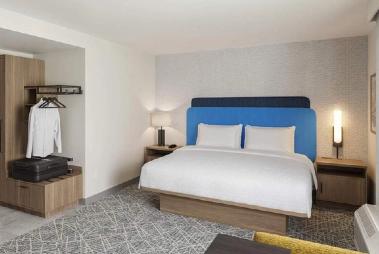
Closet finishes and construction materials profoundly influence longevity, maintenance demands, and design consistency across a hotel’s inventory. Key considerations include:
Core Substrates
Moisture-Resistant MDF: Ideal for mid-range properties, MDF coated with melamine resists warping and scratches while offering a wide palette of surface finishes.
Plywood and Solid Wood: Premium hotels often favor hardwood veneers (walnut, oak, maple) over engineered substrates. Though costlier, solid materials age gracefully and can be refinished.
Surface Treatments
Powder-Coated Metals: Hanging rods, supports, and hardware benefit from powder coatings that endure repeated use without chipping.
Laminates and Lacquers: High-pressure laminates replicate natural wood grains or stone patterns, while UV-cured lacquers provide high-gloss or matte finishes that resist fingerprints.
Hardware and Accessories
Soft-Close Mechanisms: Drawers and doors equipped with silent, controlled closing extend lifespan and elevate perceived quality.
Integrated Lighting: LED modules embedded in overhead rails or along side panels must be both energy-efficient and serviceable, with easily replaceable components.
Textiles and Baskets
Natural Fibers: Seagrass, rattan, and jute baskets complement eco-conscious design narratives while offering breathability.
Performance Fabrics: Stain-resistant textiles line drawers and boxes to withstand spills, with removable liners facilitating laundering.
By standardizing on a core set of materials and finishes, hotels ensure that their hotel guestroom furniture collections project a unified brand image across room categories, floor levels, and even multiple properties. Lifecycle cost analyses frequently demonstrate that modest up-front investments in high-quality materials yield long-term savings in maintenance, repairs, and guest satisfaction metrics.
In today’s competitive hospitality landscape, every element of your guestroom—from furnishings to storage—can set your property apart. Thoughtfully designed closets that blend built-in and standalone solutions, open and closed systems, and smart modules like retractable luggage racks and integrated charging hubs not only maximize space but reinforce brand identity. By customizing layouts for boutique, extended-stay, resort, or business hotels and selecting durable, cohesive materials, you’ll enhance both guest satisfaction and operational efficiency. To explore how these cutting-edge storage concepts can transform your guestrooms and elevate your hotel’s appeal, connect with Fuzhou Hyman Hospitality Co., Ltd. Their experienced team specializes in tailored hotel guestroom furniture solutions that marry form, function, and longevity. Reach out today to discover how Hyman Hospitality can help you create unforgettable stays—and give your guests every reason to return.


