
English
Views: 0 Author: Site Editor Publish Time: 30-05-2025 Origin: Site

Today’s kitchens are more than just places to prepare meals—they’re the beating heart of family life, entertaining hubs, and heavy-duty workspaces. Between weekday breakfasts, weekend dinner parties, and the inevitable spills and splatters, countertop surfaces face constant wear and tear. Homeowners demand materials that look beautiful, stand up to daily use, and require minimal maintenance. In this environment, a Quartz Top has emerged as the go-to solution.
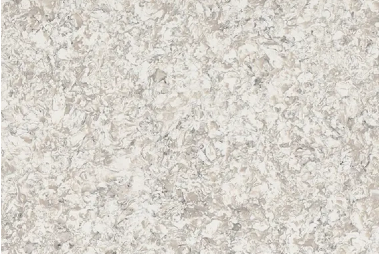
A Quartz Top—an engineered stone surface made from crushed quartz and resin—combines the best features of natural stone and modern manufacturing. With a stunning array of colors and patterns, superior hardness, and non-porous construction, quartz surfaces meet both aesthetic and practical needs.
Quartz Tops represent a pinnacle of engineered stone technology, offering a meticulously crafted alternative to traditional quarried surfaces such as granite, marble, or slate. Unlike natural stone—whose characteristics can vary significantly from one slab to another—Quartz Tops deliver consistent quality, performance, and appearance. At their core, these surfaces are composed of several carefully measured components:
Ground Quartz Crystals (70–95%)
Quartz is prized for its exceptional hardness—rated a 7 on the Mohs scale—second only to materials like corundum and diamond. By incorporating a high percentage of finely ground quartz particles, manufacturers ensure that Quartz Tops exhibit outstanding scratch resistance, impact resilience, and load-bearing capacity. These microscopic crystals interlock under pressure, forming a dense, rock-like substrate that withstands the rigors of daily use in both residential and commercial kitchens.
Polyester or Epoxy Resin (5–30%)
Acting as the “glue” that holds the quartz aggregate together, resin plays a crucial role in determining a Quartz Top’s flexibility, color consistency, and overall structural integrity. Polyester resins are more cost-effective and deliver high-gloss finishes, while epoxy resins provide superior chemical resistance and UV stability. The precise choice of resin formulation influences the countertop’s ability to resist warping under thermal stress and to maintain adhesion between quartz particles over long service lives.
Pigments, Enhancers, and Functional Additives
Beyond color, contemporary Quartz Tops often contain specialized additives to improve performance or hygiene. UV inhibitors help protect light-colored surfaces from fading or yellowing when exposed to sunlight, making them suitable for sunlit kitchens or outdoor entertaining areas. Antimicrobial agents integrated into the resin discourage bacterial growth on countertop surfaces, bolstering food safety and simplifying sanitation routines. Moreover, metallic flecks, reflective mica, or glass fragments can be added to create dramatic visual effects—sparkling under ambient or under-cabinet lighting.
During manufacturing, these ingredients undergo a series of advanced processes:
Blending and Premixing: High-precision mixers combine quartz aggregate with resin and pigments, ensuring uniform distribution of color and functional additives.
Molding and Compaction: The blended mixture is poured into stainless-steel molds. Hydraulic presses apply pressures of up to 1,500 psi, compacting the material and expelling trapped air bubbles.
Vibration: Simultaneous mechanical vibration further consolidates the mixture, eliminating micro-voids that could compromise structural strength or create weak spots.
Curing and Polishing: The compacted slabs cure at controlled temperatures to solidify the resin matrix. After curing, CNC machining and multi-step polishing processes refine the surface to the desired finish—ranging from high gloss to honed or leathered textures.
These steps yield slabs that are dimensionally stable, virtually free of imperfections, and ready for precise cutting and edge profiling to create a finished Quartz Top.
The performance characteristics of a Quartz Top are heavily influenced by the balance between resin and quartz content:
Higher Quartz Content (≈90%)
Slabs with elevated quartz percentages excel in hardness, thermal resilience, and minimal thermal expansion. The dense packing of rigid mineral particles reduces the risk of micro-cracking when exposed to temperature fluctuations, such as placing a hot pan directly on the countertop. Visually, high-quartz formulations can closely mimic the depth and subtle vein patterns of natural stone, while offering the advantage of fewer visible seams and greater consistency across large installations.
Higher Resin Content (≈15–20%)
Increasing resin proportions affords manufacturers more flexibility in producing vibrant, uniform colors—impossible to replicate in nature. Vibrant solids, deep blacks, or consistent metallic sheens become achievable without natural mineral variability. However, a higher resin ratio can slightly compromise scratch resistance, so these slabs may perform better in areas with lighter traffic or where color uniformity is paramount.
Reputable Quartz Top fabricators use rigorous quality controls—such as infrared spectroscopy and mechanical testing—to confirm that each batch meets strict performance criteria. By fine-tuning the resin-to-quartz ratio, manufacturers strike an optimal balance: a durable, low-maintenance surface that retains its aesthetic allure for decades.
The Mohs hardness scale rates minerals from 1 (talc) to 10 (diamond). Quartz ranks a 7, placing it above common countertop materials:
Material | Mohs Rating |
Acrylic/Solid Surface | 2–3 |
Marble | 3–5 |
Granite | 6–7 |
Quartz | 7 |
Ceramic Tile | 6–7 |
Thanks to this high rating, a Quartz Top resists daily abrasions from knives, pots, and pans far better than softer surfaces.
In controlled tests, manufacturers simulate years of use by:
Steel Wool Scratching: Rubbing #0000 steel wool across the surface under moderate pressure. Quartz shows minimal visible wear, whereas many laminates and solid-surface tops develop scratches.
Sliding Heavy Cookware: Dragging a loaded cast-iron skillet back and forth. Quartz resists scuffing and maintains its polish.
Falling Utensils: Dropping metal utensils from countertop height. The dense, rigid slab of a Quartz Top absorbs impact without chipping, thanks to its engineered uniformity.
These results translate to fewer visible wear patterns in everyday kitchens, preserving both appearance and resale value.
While no countertop is completely heat-proof, Quartz Tops offer excellent thermal stability:
Temperature Threshold: Most Quartz Tops withstand brief contact up to 300°F (150°C) without discoloration or structural damage—well above typical stovetop temperatures.
Best Practices: Use trivets or hot pads for prolonged exposure. This not only protects the resin binder but also extends the life of the countertop’s polished finish.
Under standard cooking scenarios—placing a hot pan briefly on the surface—Quartz Tops remain unscathed, unlike many laminate or low-end solid surfaces, which may burn or warp.
Quartz’s non-porous nature means liquids cannot seep into the material matrix. Benefits include:
Stain Resistance: Red wine, turmeric, coffee, and other potent stains sit on the surface and wipe away easily with mild soap and water.
No Sealing Required: Unlike granite or marble, Quartz Tops don’t demand annual sealing to maintain stain protection, saving both time and money.
Hygienic: The impermeable surface prevents bacterial growth in microscopic crevices, making Quartz Tops an ideal choice for busy, food-centric kitchens.
Kitchens expose countertops to a variety of chemicals—vinegar, citrus juices, grease-cutting detergents, and occasionally stronger cleaning products. Quartz Tops handle these gracefully:
pH-Neutral Cleaners: Regular soaps and gentle kitchen cleaners maintain shine without etching.
Stubborn Residue Removal: A paste of baking soda and water can lift dried spills without damaging the surface.
Avoid Harsh Chemicals: Prolonged exposure to bleach or high-alkaline cleaners can dull the finish; manufacturers recommend wiping up spills promptly.
By following simple cleaning guidelines, Quartz Tops stay vibrant and glossy for years.
UV exposure can fade or yellow some engineered surfaces. High-quality Quartz Tops incorporate UV inhibitors in their resin:
Indoor Kitchens: Minimal direct sunlight means almost zero color shift over decades.
Sunroom or Outdoor Kitchens: Look for UV-stabilized formulations; these resist fading and chalking even under strong sunlight.
This stability ensures that your Quartz Top maintains its original hue and pattern, guarding against the two-toned appearance common in poorly UV-protected materials.
In the whirlwind of modern family life—meal prep, homework stations, DIY projects, and entertaining—kitchen countertops endure relentless wear and tear. Quartz Tops deliver the perfect fusion of style and strength:
Unmatched Hardness: Exceptional scratch and impact resistance keeps surfaces looking showroom-fresh.
Thermal & Stain Immunity: From searing hot pans to accidental spills, engineered resilience stands up to it all.
Chemical & UV Stability: Everyday cleaners and sunlight won’t dull the finish or shift the hue.
Low Maintenance: No sealing or specialty products required—just a quick wipe to restore the shine.
By choosing a Quartz Top, you invest in long-term savings—fewer repairs, no replacements, and an enduring aesthetic that raises both your cooking experience and home’s resale value. To explore premium Quartz Top solutions and discover customizable options tailored to your kitchen’s demands, partner with Fuzhou Hyman Hospitality Co., Ltd. Their expert team offers top-tier materials, precise fabrication, and professional installation services. Contact Fuzhou Hyman Hospitality today to transform your kitchen into a space where beauty truly meets brawn.


