
English
Views: 0 Author: Site Editor Publish Time: 30-05-2025 Origin: Site

In the hospitality industry, every detail matters—especially when it comes to first impressions. While the lobby and guest room often receive the most attention, the hotel bathroom plays a critical role in how guests perceive cleanliness, comfort, and luxury. One of the central elements of a hotel bathroom is the vanity. It’s not just a sink cabinet—it’s a visual centerpiece that influences guest satisfaction while serving essential functional purposes.
Hotel bathroom vanities must strike a perfect balance between aesthetic charm and practical use. A visually stunning vanity can elevate the ambiance of the entire room, while thoughtful design features contribute to convenience and guest comfort.
In the modern hotel industry, visual storytelling is essential. Bathroom vanities are no longer just standard fixtures—they’re style statements. Some of the most popular design trends for hotel bathroom vanities include:
Modern Minimalism: Clean lines, floating vanities, and matte finishes in white, black, or grey tones create a sleek and contemporary look.
Rustic Charm: Natural wood vanities with distressed finishes, exposed hardware, and stone countertops offer a cozy, earthy ambiance.
Vintage and Classic: Ornate molding, polished brass fixtures, and marble tops evoke a timeless luxury appeal, ideal for boutique hotels.
Industrial Style: Metal-framed vanities with concrete countertops and raw textures are popular in urban, loft-style hotels.
Color plays a crucial role in setting the mood. Light-colored vanities give a sense of spaciousness, while darker tones can add drama and depth. Incorporating textured materials—such as ribbed wood, stone finishes, or matte surfaces—adds visual interest without overwhelming the space. Finishing touches like brushed metal handles, soft-close drawers, or backlit mirrors can transform an ordinary vanity into a design highlight.
Hotels that stand out for their exceptional bathroom design often use unique vanities to anchor the visual theme. For instance, a luxury beach resort may use driftwood vanities with stone sinks, while an upscale urban hotel may opt for wall-mounted vanities with LED lighting and integrated shelving.
While aesthetics are important, hotel bathroom vanities must also meet the functional demands of diverse guests.
Hotel guests bring personal toiletries, grooming tools, and other bathroom essentials. Vanities with ample countertop space, under-sink storage, and drawers or shelves provide much-needed organization. Some hotels include hairdryer holders, towel racks, or even safe boxes under the vanity to enhance usability.
In high-traffic environments, cleanliness is non-negotiable. Hotel bathroom vanities should use non-porous, water-resistant materials such as quartz, laminate, or solid surface composites. These materials resist staining and are easy to sanitize between guest stays.
Many hotels are required to provide ADA-compliant rooms, and the vanity design must follow accessibility guidelines. This includes sufficient knee clearance for wheelchair users, reachable faucets, and easy-to-operate hardware. Well-designed accessible vanities blend inclusivity with modern aesthetics.
When it comes to hotel bathroom vanities, achieving the perfect balance between aesthetics and functionality is critical. Guests not only expect stylish and inviting bathrooms, but they also want spaces that are practical and intuitive to use. Combining beauty with utility involves attention to detail—from selecting the right hardware to integrating smart technology and choosing suitable configurations for different room types.
Hardware components like drawer pulls, faucets, and cabinet handles may seem secondary, but they play a vital role in both the usability and visual appeal of hotel bathroom vanities. These small elements contribute to the overall design language of the space. For a sleek, contemporary look, matte black, chrome, or brushed brass finishes are popular choices. In boutique or heritage hotels, more ornate or vintage-inspired hardware may be more suitable.
Beyond aesthetics, durability is paramount. Hardware in hospitality environments must withstand frequent use and occasional rough handling. Choosing corrosion-resistant materials, such as stainless steel or solid brass with protective coatings, ensures longevity. Commercial-grade hardware is specifically designed to offer superior performance and reliability, making it ideal for hotel applications. Additionally, ergonomic handles that are easy to grip—even with wet hands—enhance guest comfort and safety.
Modern hotel guests increasingly value enhanced functionality in bathroom spaces, and integrated technology in vanity areas is becoming a hallmark of upscale accommodations. One of the most popular features is built-in LED lighting around mirrors. These provide ambient lighting and also serve a practical purpose by improving visibility for grooming tasks such as shaving or makeup application.
Some hotel bathroom vanities now come equipped with high-tech enhancements like touch-sensitive lighting controls, demister pads that prevent fogging, and built-in magnifying mirrors. These additions offer a luxurious, spa-like feel that elevates the guest experience. USB ports or wireless charging stations integrated into vanity designs are also gaining popularity, especially in business hotels catering to tech-savvy travelers.
By including thoughtful lighting and technology integrations, hotels can create a bathroom space that feels modern and indulgent while also being user-friendly and efficient.
The configuration of the sink(s) in a hotel bathroom vanity must be aligned with the room type and its intended occupancy. In standard single or double rooms, a single-sink vanity is often sufficient and helps conserve space, allowing for more open movement and additional features such as extra shelving or counter area.
However, in family rooms, suites, or luxury accommodations, dual-sink vanities are a highly desirable feature. They allow two guests to use the space simultaneously, which is a convenience that many travelers appreciate—especially during morning routines. This setup also lends a sense of spaciousness and exclusivity to the bathroom, reinforcing the hotel’s commitment to guest comfort.
Offering a mix of single and dual-sink vanities across room categories ensures that the hotel can meet diverse guest needs. Customizing vanity configurations to align with room function enhances both aesthetics and practicality, contributing to a more satisfying guest experience overall.
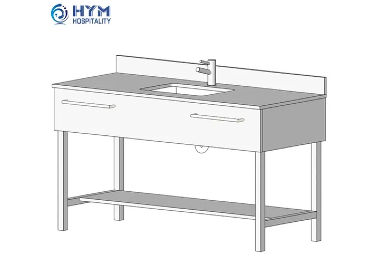
Modular vanities are prefabricated units that can be easily installed, removed, or replaced. These are ideal for:
Renovations: Easy to swap out or upgrade during future refurbishments.
Cost Efficiency: Typically lower in cost and quicker to install.
Flexibility: Can be chosen in different sizes and styles for different room categories.
However, modular vanities may offer limited customization compared to built-in options.
Built-in vanities are custom-made to fit a specific bathroom layout. These are preferable for:
Luxury Hotels: Provide a seamless, integrated look with the surrounding architecture.
Design Consistency: Custom finishes and dimensions ensure cohesive branding.
Space Optimization: Ideal for irregular layouts or maximizing small spaces.
Though more expensive, built-in vanities offer long-term advantages in brand image and guest satisfaction.
Many hotels overlook the insights hidden in guest reviews. Comments about cramped bathroom spaces, lack of storage, dim lighting, or inconvenient layout often trace back to vanity design. Monitoring online reviews or conducting guest surveys can help pinpoint recurring issues and areas for improvement.
Positive Feedback: “Loved the LED mirror and ample counter space!” or “Stylish vanity design matched the hotel’s chic interior.”
Negative Feedback: “Nowhere to put my toiletries,” or “The sink splashed water everywhere.”
These insights can be used to adjust vanity features in future designs or renovations.
Hotel bathroom vanities have evolved into essential design elements that combine visual appeal with everyday functionality. By selecting vanities that are durable, water-resistant, and easy to maintain, hotels can create a refined guest experience while enhancing brand identity and operational efficiency. To ensure lasting impact, vanities should align with the hotel’s design theme, offer modern features like LED lighting and smart storage, and be adaptable to different room types and accessibility needs.
For hoteliers seeking tailored solutions that blend beauty with performance, Fuzhou Hyman Hospitality Co., Ltd. offers a wide range of high-quality hotel bathroom vanities designed to meet the demands of the modern hospitality industry. Contact them today to explore customizable options that elevate your guest spaces and support long-term value.


